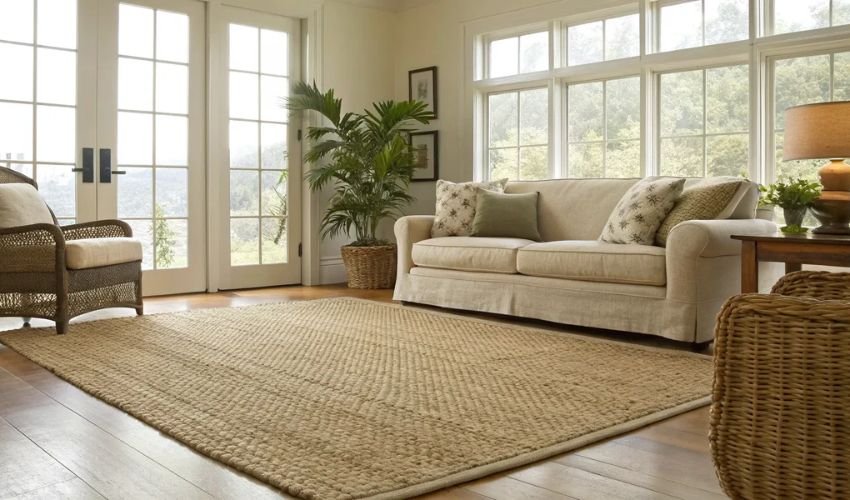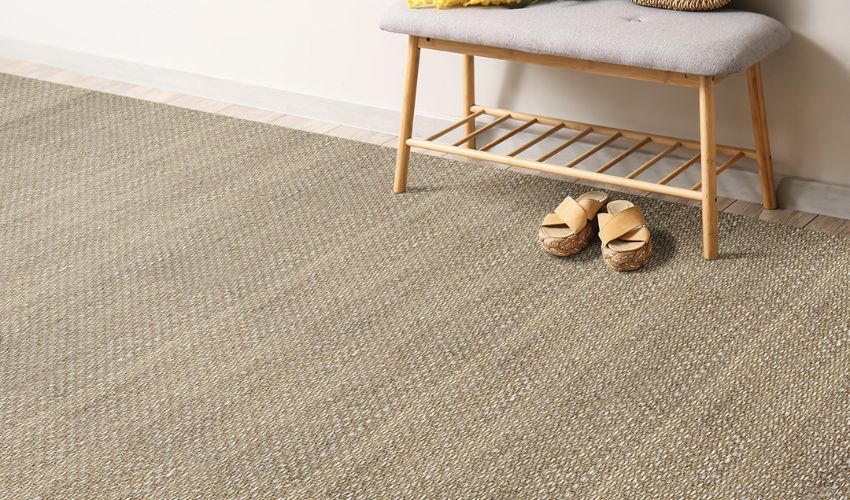




Dubai homeowners and interior designers are increasingly turning away from synthetic flooring in favour of natural, sustainable alternatives. With environmental awareness on the rise and luxury interiors leaning into organic textures, natural fibre carpets have earned their place in some of the city’s most sophisticated homes, villas, and commercial spaces.
Among the most popular choices are sisal and jute carpets, both derived from plant-based sources, both eco-friendly, and both offering distinct aesthetic qualities. However, they differ considerably in durability, texture, maintenance, and suitability for Dubai’s specific climate and lifestyle.
This guide offers a clear, expert comparison to help you decide which natural fibre carpet is the right investment for your space.
Understanding Natural Fibre Carpets
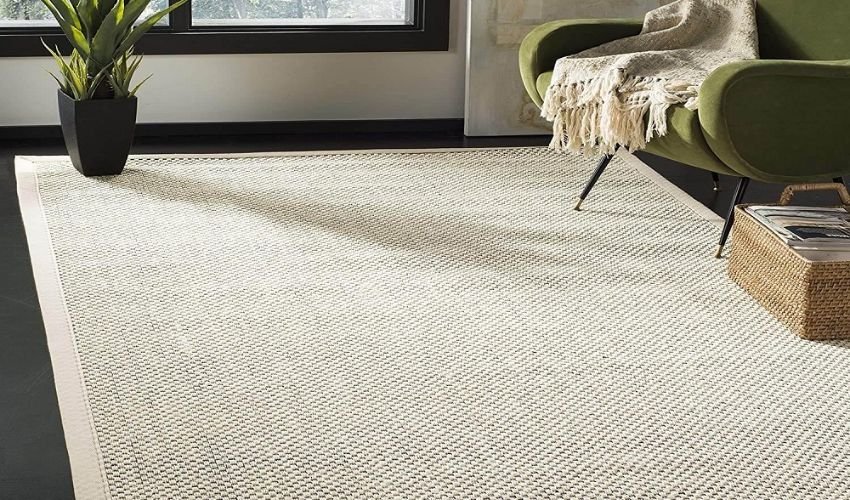
Natural fibre carpets are woven from plant-based materials, offering a sustainable alternative to synthetic options such as nylon or polypropylene. As Dubai continues to embrace biophilic design integrating nature into built environments these materials have found their way into everything from contemporary villas on Palm Jumeirah to boutique hotels in the city’s design district.
Their appeal extends beyond aesthetics. Natural fibres are biodegradable, produce fewer harmful emissions during manufacturing, and contribute to healthier indoor air quality a meaningful benefit in a city where residents spend considerable time in air-conditioned interiors. Furthermore, they align with the UAE’s growing sustainability agenda, including the National Agenda 2030 goals around environmental responsibility.
What Is a Sisal Carpet?
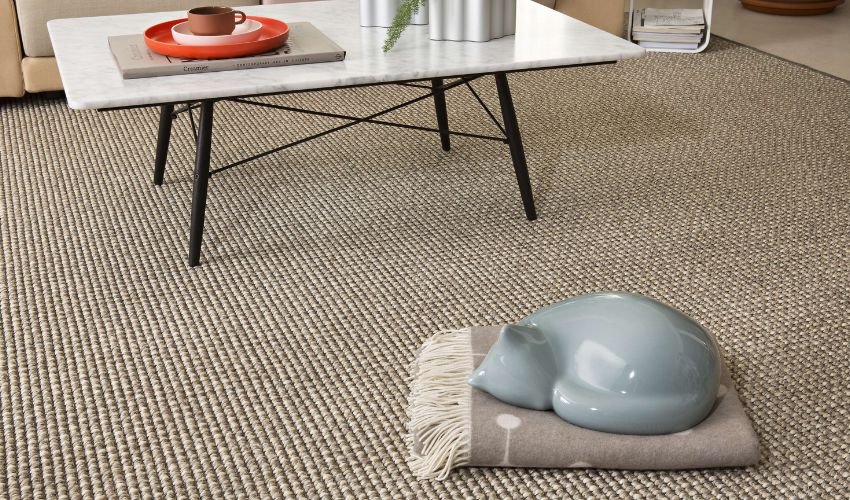
Sisal fibre originates from the Agave sisalana plant, a drought-tolerant succulent grown primarily in Brazil, Mexico, and East Africa. The leaves are harvested and their fibres extracted through a process called decortication mechanical brushing that separates the long, strong strands from the leaf pulp.
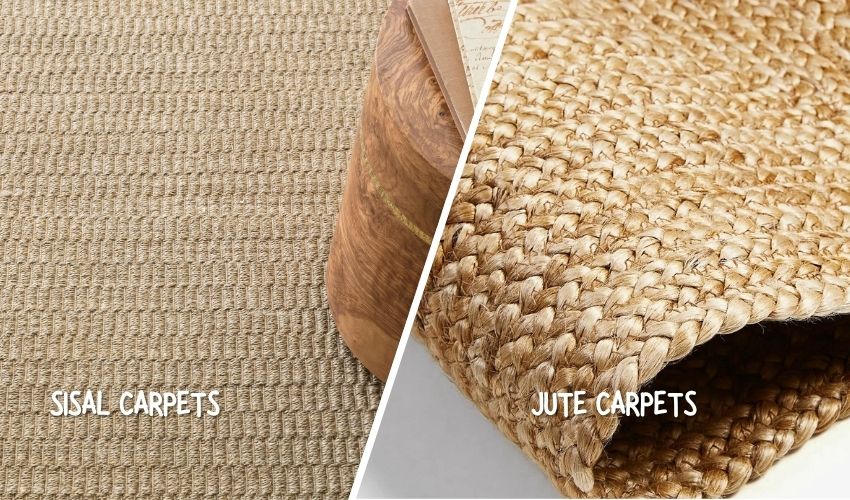
The resulting fibre is exceptionally strong, rigid, and resistant to wear, making it one of the most durable natural carpet materials available. Sisal carpets are tightly woven, giving them a structured, architectural appearance that suits modern and minimalist interiors. Their neutral tones ranging from pale cream to warm honey integrate well with a wide palette of interior schemes.
In Dubai, Natural Sisal Flooring Solutions are frequently used in high-traffic residential areas such as living rooms, hallways, and home offices, as well as in commercial environments including hotels, co-working spaces, and corporate lobbies. Their durability and sophisticated texture make them a perennial favourite amongst interior designers working on premium properties.
What Is a Jute Carpet?
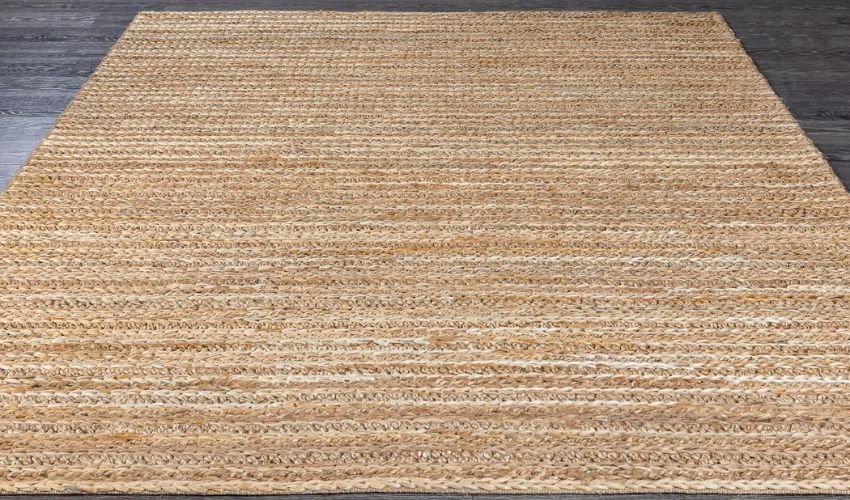
Jute is derived from the Corchorus plant, cultivated predominantly in Bangladesh and India. The stalks are retted soaked in water to loosen the fibres then stripped and dried to produce soft, lustrous strands that are spun into yarn.
Jute carpets are softer to the touch compared to sisal, with a characteristic golden-brown sheen that gives them a warm, inviting quality. Their texture is gentler underfoot, making them more suited to relaxed residential spaces such as bedrooms and reading rooms. The weave is typically looser than sisal, resulting in a more casual, earthy aesthetic.
Jute is an accessible option for budget-conscious buyers looking to incorporate natural materials without a significant financial outlay. However, its relative softness also means it is less resilient under heavy foot traffic or in challenging climatic conditions.
Sisal vs Jute Carpets: Side-by-Side Comparison
| Criteria | Sisal Carpet | Jute Carpet |
| Material Source | Agave sisalana plant (Mexico, Brazil, East Africa) | Corchorus plant (Bangladesh, India) |
| Durability | Excellent highly wear-resistant | Moderate less suited to heavy traffic |
| Texture | Coarse, firm, structured | Softer, slightly rough but gentler |
| Softness | Low not ideal for bare feet | Medium more comfortable underfoot |
| Moisture Resistance | Poor absorbs moisture, prone to staining | Poor also sensitive to moisture |
| Maintenance | Moderate dry cleaning recommended | Moderate dry cleaning preferred |
| Longevity | 10–15+ years in suitable conditions | 5–10 years depending on usage |
| Appearance | Neutral, woven, modern and structured | Warm golden tones, rustic and inviting |
| Cost | Mid to high range | Low to mid range |
| Sustainability | Highly sustainable, biodegradable | Highly sustainable, biodegradable |
| Suitability for Pets | Not ideal claws can snag fibres | Not ideal same concern |
| Suitability for Children | Not recommended rough texture | Better than sisal softer surface |
| Commercial Use | Excellent preferred for offices, hotels | Limited better for residential use |
| Luxury Appeal | High popular in Dubai villas and hotels | Moderate more casual, boho aesthetic |
Durability Comparison: Which Lasts Longer?
When it comes to wear resistance and longevity, sisal is the clear frontrunner. Its tightly packed fibres are inherently tough, capable of withstanding the demands of high-traffic areas without matting or degrading quickly. This is why Premium Sisal Carpets are commonly specified for commercial environments including hotel corridors, reception areas, and retail spaces where flooring must endure constant footfall whilst retaining its appearance.
Jute, whilst serviceable in low-traffic areas, tends to show signs of wear more rapidly. The softer fibre is more vulnerable to crushing underfoot, and with time, jute carpets may begin to lose their shape and structural integrity. For long-term investment value, sisal offers a significantly better return particularly in a Dubai villa or open-plan living space where style and practicality must coexist.
Comfort Underfoot: Sisal vs Jute
Comfort is one area where jute holds a genuine advantage. Its softer texture is more pleasant for bare feet, making it a popular choice for bedrooms and private lounges where residents walk barefoot or sit directly on the floor. Jute’s gentle surface is also friendlier for young children who spend time playing on the ground.
Sisal, by contrast, has a firmer, coarser texture that some find scratchy. This is rarely a concern in formal living rooms or hallways where footwear is typically worn, but it makes sisal a less comfortable option for bedrooms or spaces designed for relaxation. Adding a quality underlay beneath sisal carpets can help soften the experience underfoot whilst providing additional insulation.
Which Carpet Handles Dubai’s Climate Better?
Dubai’s climate presents particular challenges for natural fibre carpets. With temperatures regularly exceeding 40°C in summer and humidity levels fluctuating considerably between seasons, moisture management is a crucial consideration.
Both sisal and jute are susceptible to moisture damage; they can absorb water, swell, and potentially develop mould if exposed to prolonged humidity. However, sisal demonstrates slightly better moisture resistance than jute and tends to recover more effectively once dried. Importantly, both fibres are predominantly used in air-conditioned interiors across Dubai, which mitigates much of the humidity risk.
Dust accumulation is a concern in Dubai’s arid environment. Both fibre types can trap fine dust particles within their weaves. Regular vacuuming and occasional professional cleaning are recommended to maintain hygiene. For high-dust environments near open balconies or ground-floor villas, a tightly woven sisal carpet will trap less debris than the looser weave of jute — a factor worth considering for commercial office carpets Dubai facility managers maintain across large, high-traffic floor areas.
Expert recommendation: For Dubai homes and villas, sisal carpets are the more climate-resilient choice. Their tight weave, superior durability, and slightly better moisture performance make them better suited to the demands of the local environment, particularly in spaces that benefit from year-round air conditioning.
Sustainability and Environmental Impact
Both sisal and jute are excellent choices from an environmental perspective. Both are rapidly renewable sisal plants are harvested every six to twelve months, whilst jute grows within a single season. Neither requires pesticides in significant quantities, and both are fully biodegradable at end of life.
Jute arguably holds a slight edge in carbon footprint terms. It is known as a carbon-negative crop, absorbing more CO2 during its growth than is released during processing. Sisal, however, is grown in arid regions that require minimal irrigation, reducing its water consumption footprint.
For homeowners in Dubai seeking eco-friendly carpets Dubai specialists would recommend either fibre as a responsible alternative to synthetic options. Both contribute to improved indoor air quality by avoiding the off-gassing associated with many synthetic carpets and adhesives.
Design and Aesthetic Differences
Sisal carpets have a clean, architectural quality that suits contemporary interiors. Their neutral colour palette cream, beige, warm grey complements the sleek finishes favoured in Dubai’s modern villas and apartment developments. The structured weave creates visual texture without being overpowering, making sisal an ideal foundation layer in rooms with strong furniture statements.
Jute carpets offer a warmer, more rustic aesthetic. Their golden tones evoke a relaxed, organic sensibility that works beautifully in bohemian, coastal, or earthy interior schemes. In Dubai’s design landscape, jute carpets are often seen in bedroom sanctuaries and informal living spaces where a softer, more casual mood is desired.
Both fibres are available in a range of weaving styles from simple herringbone and basketweave patterns to more intricate geometric designs giving designers considerable creative flexibility.
Cost Comparison: Sisal vs Jute Carpets
Jute carpets are generally more affordable than sisal, both in terms of initial purchase price and installation. This makes jute an attractive option for budget-conscious buyers or those furnishing a property for short-term rental purposes.
Sisal commands a higher initial investment, but its superior durability means lower replacement frequency. Over a ten-to-fifteen-year lifespan, the cost-per-year of a quality sisal carpet often compares favourably to a jute carpet that requires replacement within five to seven years. For homeowners viewing their purchase as a long-term investment particularly in premium Dubai properties sisal offers better value over time.
Maintenance costs are broadly comparable for both fibres: both require dry or low-moisture cleaning, and professional deep-cleaning is advised annually.
Best Rooms for Sisal Carpets
Sisal carpets excel in spaces that demand durability and a polished, professional aesthetic. Consider Sisal Carpets Dubai for the following rooms:
- Living rooms: Provides texture and warmth without sacrificing durability in a frequently used space.
- Hallways and corridors: Ideal for high-traffic transitional areas where wear resistance is paramount.
- Home offices: Supports a focused, professional environment with a clean, understated look.
- Staircases: One of the most demanding locations for any floor covering; sisal’s durability makes it well-suited.
- Commercial spaces: Hotels, reception areas, and retail environments frequently specify sisal for its combination of style and longevity.
Many homeowners exploring durable natural flooring options choose Sisal Carpets Dubai specifically for high-traffic areas where other natural fibres would quickly show signs of wear.
Best Rooms for Jute Carpets
Jute carpets are most effective in relaxed, low-traffic environments where their softer texture and warm aesthetic can be fully appreciated:
- Bedrooms: Jute’s gentle surface is comfortable underfoot and creates a calm, restful atmosphere.
- Reading rooms and studies: Adds warmth and organic texture to spaces designed for quiet relaxation.
- Low-traffic living areas: Sitting rooms or formal lounges that see occasional use benefit from jute’s decorative appeal.
- Decorative spaces: Jute rugs and carpet tiles work well as accent pieces layered over other flooring materials.
Who Should Choose Sisal Carpets?
Sisal is the right choice for you if:
- You own a busy family home in Dubai with children, frequent guests, or pets
- You are furnishing a hallway, staircase, or open-plan living area that sees daily use
- You prioritise long-term durability and value over initial purchase price
- You manage a commercial property, hotel, or serviced apartment that requires resilient flooring
- Your interior aesthetic leans modern, minimalist, or Scandinavian
- You want a natural carpet that will retain its appearance for a decade or more
Who Should Choose Jute Carpets?
Jute is the right choice for you if:
- You are furnishing a bedroom or private lounge where comfort underfoot is the priority
- You have a limited budget but still want the benefits of natural fibre flooring
- Your interior design features warm, earthy, or bohemian elements
- You need a carpet for a low-traffic area where durability is less critical
- You are looking for a shorter-term decorative solution or a rental property
Expert Verdict: Sisal or Jute for Dubai Homes?
Both sisal and jute have earned their place in Dubai’s flourishing natural flooring market but they serve different purposes, and the right choice depends on your specific priorities.
Choose sisal when durability, longevity, and climate resilience are your primary concerns. Its superior wear resistance makes it the standout choice for living rooms, hallways, commercial spaces, and any area where the flooring must perform under pressure whilst looking polished and refined. For Dubai villas, luxury apartments, and commercial properties, sisal represents the smarter long-term investment.
Choose jute when comfort, warmth, and budget are your guiding factors. It brings a beautiful organic character to bedrooms and low-traffic living spaces, and its lower price point makes it accessible for a wider range of projects.
For the majority of Dubai homeowners seeking a natural fibre carpet that balances style, performance, and long-term value, sisal is the recommended choice. Its versatility, durability, and sophisticated aesthetic align perfectly with the demands of modern Dubai living.
Frequently Asked Questions
1. Are sisal carpets better than jute carpets?
It depends on your priorities. Sisal carpets are more durable, longer-lasting, and better suited to high-traffic areas and commercial environments. Jute carpets are softer, more affordable, and more comfortable underfoot in low-traffic spaces such as bedrooms. For Dubai homes where resilience and longevity matter, sisal is generally considered the superior option.
2. Which carpet lasts longer, sisal or jute?
Sisal lasts significantly longer. A quality sisal carpet can last 10 to 15 years or more with proper care, whilst jute carpets typically last between 5 and 10 years depending on foot traffic and maintenance. This makes sisal a better long-term investment, particularly in high-use areas.
3. Are sisal carpets suitable for Dubai homes?
Yes, sisal carpets are well-suited to Dubai homes. They perform well in air-conditioned environments, resist wear in high-traffic areas, and complement modern and contemporary interior styles. It is important to avoid placing them in areas prone to moisture or direct water exposure, such as bathrooms or uncovered outdoor spaces.
4. Are jute carpets soft?
Jute carpets are softer than sisal, though they are not as plush as wool or synthetic alternatives. They have a moderate texture that is comfortable for bare feet, making them a popular choice for bedrooms and relaxed living areas. Over time, jute fibres may soften slightly with use.
5. Which carpet is easier to maintain?
Both sisal and jute require similar maintenance approaches regular vacuuming, prompt spot cleaning with dry methods, and occasional professional dry cleaning. Neither should be saturated with water. Sisal is marginally more forgiving of occasional spills due to its tighter weave, but neither fibre is as low-maintenance as synthetic carpet options.
6. Can sisal carpets be used in villas?
Absolutely. Sisal carpets are a popular choice in Dubai villas, where they are used in living rooms, hallways, staircases, and home offices. Their durability and refined appearance align well with villa aesthetics, and they are commonly specified by interior designers working on high-end residential projects across Dubai.
7. Are natural fibre carpets eco-friendly?
Yes. Both sisal and jute are derived from rapidly renewable plant sources, require minimal synthetic inputs during cultivation, and are fully biodegradable at end of life. They produce fewer harmful emissions during manufacturing compared to synthetic carpets and contribute to healthier indoor air quality. For eco-conscious homeowners in Dubai, natural fibre carpets are an excellent sustainable flooring choice.
8. Which carpet is better for pets?
Neither sisal nor jute is ideal for homes with pets. Pet claws can snag the woven fibres of both carpet types, causing fraying and damage over time. Pet accidents can also lead to moisture damage and staining. If you have pets, consider a washable rug placed over your natural fibre carpet in key areas, and choose the tighter weave of sisal if natural fibre flooring is a priority.
9. Which carpet is better for high-traffic areas?
Sisal is far better suited to high-traffic areas. Its dense, tightly woven fibres are highly resistant to wear and crushing, maintaining their appearance even in busy hallways, living rooms, and commercial environments. Jute is not recommended for high-traffic areas as its softer fibres compress and deteriorate more quickly under sustained foot traffic.
10. Do sisal carpets increase property appeal?
Yes, sisal carpets can enhance the appeal of a property, particularly in Dubai’s competitive real estate market. Their natural texture, neutral tones, and association with sustainable luxury align well with current interior design trends. High-quality sisal flooring is often seen in premium villa developments, serviced apartments, and luxury hospitality environments, where it contributes to a sophisticated, considered aesthetic that resonates with discerning buyers and tenants.