



Natural materials are having a remarkable moment in interior design. Across Dubai’s villas, Abu Dhabi’s penthouses, and Sharjah’s residential communities, homeowners and designers are increasingly turning away from synthetic flooring in favor of materials that feel authentic, breathe naturally, and age with character. Sisal carpets sit at the very top of that conversation.
Woven from plant fibers, sisal brings warmth, texture, and an understated sophistication that few other flooring options can match. Whether you’re designing a minimalist apartment or a sprawling family villa, understanding how to work with sisal opens up a new dimension of interior possibility.
What Are Sisal Carpets?
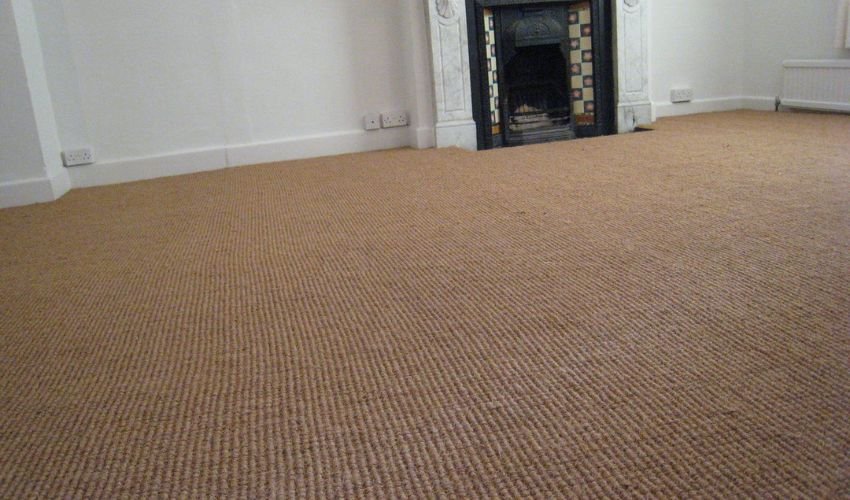
Sisal fiber comes from the Agave sisalana plant, a succulent native to Mexico and now widely cultivated across Africa and Brazil. The leaves are harvested and processed to extract long, cream-colored fibers that are exceptionally strong, naturally biodegradable, and highly resistant to wear.
Unlike synthetic alternatives, sisal fiber is not petroleum-based. It absorbs CO₂ during growth, requires minimal chemical processing, and breaks down naturally at the end of its lifecycle. For homeowners seeking eco-friendly carpets in the UAE, this makes sisal one of the most responsible flooring choices available today.
Beyond sustainability, sisal offers a range of practical benefits:
- Natural strength: Sisal fibers rank among the hardest natural plant fibers in use today
- Anti-static properties: It does not accumulate dust or allergens the way synthetic carpets do
- Thermal insulation: It helps regulate indoor temperature, relevant in the UAE’s climate
- Sound absorption: It reduces noise transfer between floors and rooms
Why Interior Designers Love Sisal Carpets
Ask any experienced interior designer about their go-to natural flooring material, and sisal will invariably come up. Its appeal is not accidental; it earns its place in design schemes through several consistent strengths.
Natural texture is the first thing most people notice. The woven surface of sisal has a tactile quality that adds depth to any room without competing with furniture or artwork. It grounds a space rather than dominating it.
Timeless aesthetic is the second. Sisal doesn’t follow trends it outlasts them. A sisal carpet installed in 2010 looks equally at home in a 2026 interior. That durability of style translates directly into long-term value.
Versatility is perhaps sisal’s most underrated quality. It complements modern, traditional, coastal, Scandinavian, and even maximalist interiors without requiring dramatic adjustments to your existing décor.
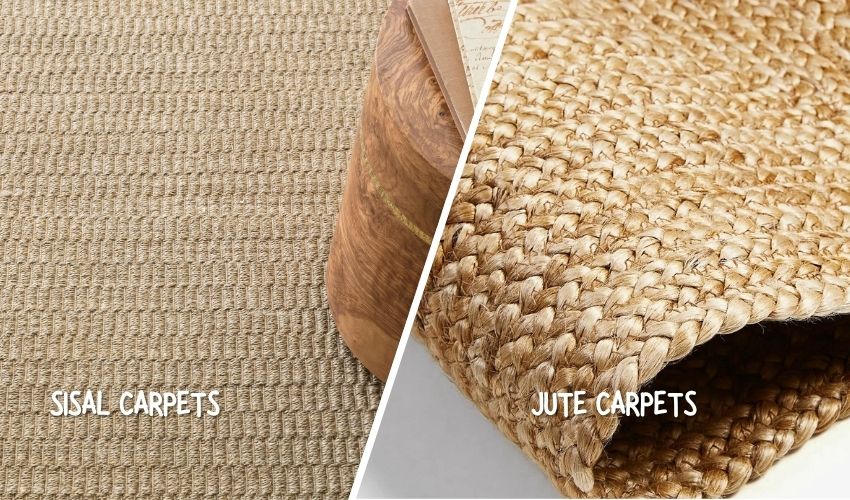
Finally, durability and longevity set sisal apart from softer alternatives like jute. When properly maintained, a quality sisal carpet can last 15 to 20 years a compelling argument for its investment value.
Best Rooms to Use Sisal Carpets
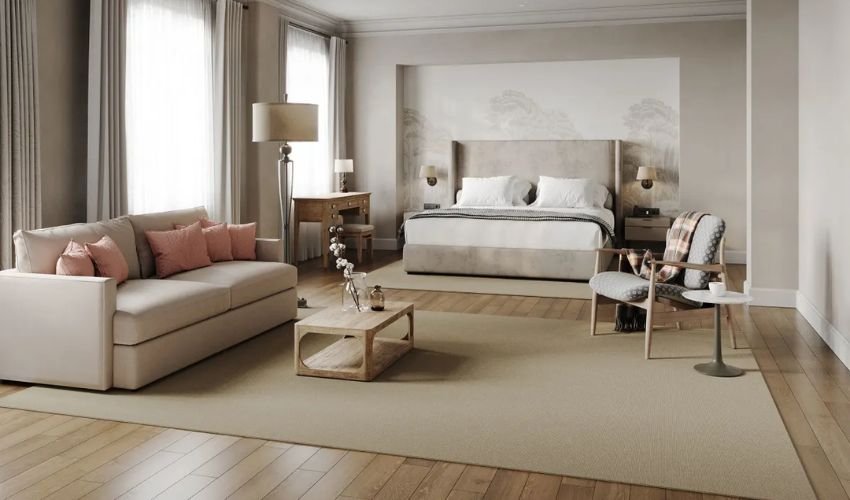
Living Rooms
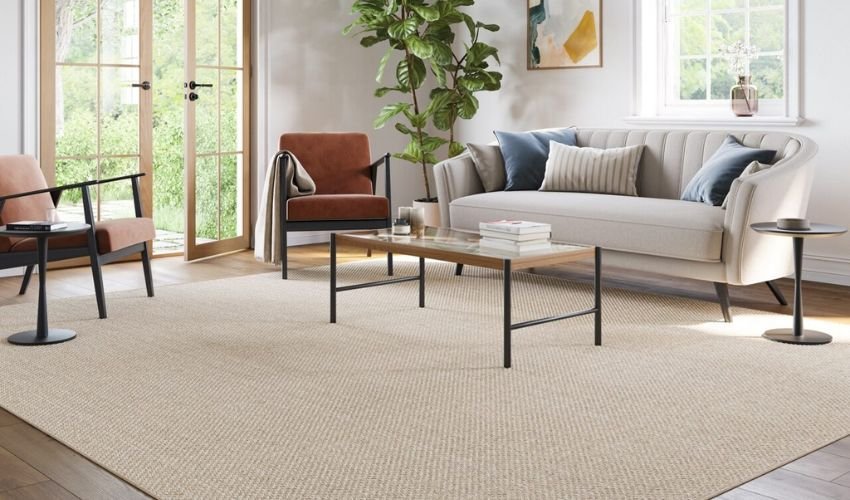
The living room is where sisal performs most visibly. Its neutral tones create a clean, welcoming foundation for sofas, coffee tables, and accent pieces. In open-plan spaces common in Dubai apartments, sisal helps define zones without using walls or partitions. Layer it with a softer decorative rug for added comfort and visual interest.
Bedrooms
Sisal works beautifully in bedrooms, particularly when placed as a large area rug rather than wall-to-wall carpet. Its natural warmth softens hardwood or tiled floors without the maintenance demands of plush pile carpets. Pair with linen bedding and wooden furniture for a cohesive, calming scheme.
Dining Areas
High foot traffic and the occasional spill make dining areas a natural fit for sisal. Its dense weave resists surface-level dirt, and routine vacuuming keeps it looking sharp. Choose a flat-weave sisal here for the easiest maintenance and the cleanest aesthetic.
Home Offices
Concentration benefits from calm surroundings, and sisal delivers exactly that. Its neutral palette and textured surface create an environment that feels grounded and focused without being clinical. It also pairs well with the raw materials popular in contemporary workspace design wood, steel, and concrete. That is why sisal continues to be a top pick among office carpets Dubai designers specify for modern, minimalist workspaces.
Staircases and Hallways
These are among the most practical applications for sisal. Heavy-traffic areas demand hard-wearing flooring, and sisal’s tight fiber construction handles constant footfall exceptionally well. Stair runners in sisal also add a layer of slip resistance compared to bare stone or hardwood.
How to Match Sisal Carpets with Different Interior Styles
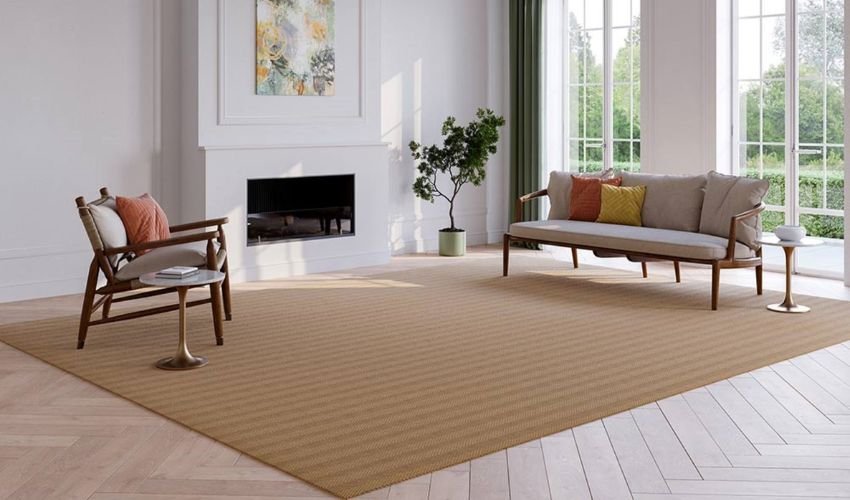
Modern interiors benefit from sisal’s clean lines and neutral color range. Opt for tightly woven, low-pile sisal in natural cream or warm beige to complement monochrome furniture schemes.
Minimalist homes are an ideal setting. Sisal’s honest materiality aligns naturally with the “less is more” philosophy; it adds texture without noise.
Scandinavian design already champions natural materials, so sisal integrates seamlessly. Its earthy tones work beautifully alongside pale wood, white walls, and functional furniture.
Coastal interiors pair particularly well with sisal’s raw, organic character. The rough-hewn texture evokes a relaxed, beachside feeling when combined with soft blues, whites, and rattan accents.
Luxury contemporary spaces can use sisal in bold, oversized pieces. Premium custom-woven sisal with refined borders or contrast edging elevates what might otherwise feel like a utilitarian material into a design statement.
Traditional homes including Arabic majlis-style interiors benefit from sisal’s earthy warmth. Layer it beneath a Persian or Moroccan rug to create a richly textured, sophisticated floor arrangement.
Color and Texture Selection Tips
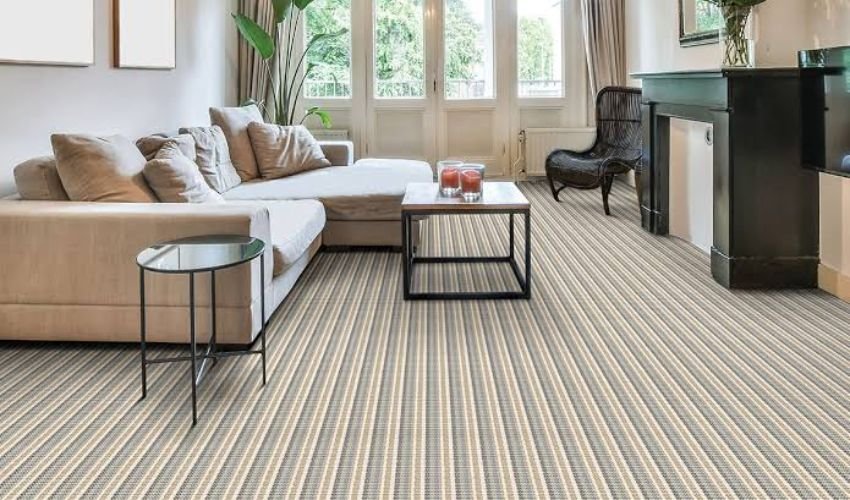
Sisal’s natural palette ranges from pale cream and honey to warm tan and mid-brown. Lighter tones create an airy, expansive feel and suit smaller rooms or spaces that receive strong natural light. Darker tones add visual weight and warmth ideal for larger living areas or rooms with high ceilings.
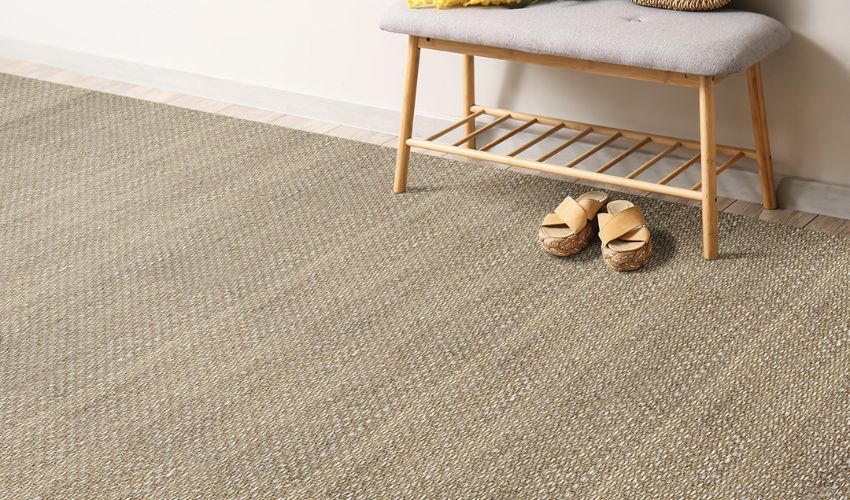
Patterned sisal carpets herringbone, basketweave, and boucle weaves, introduce visual interest without introducing color. These patterns work especially well in rooms where the furniture and art carry the color story.
Layering is one of the most effective styling techniques with sisal. Use the sisal as your base layer and add a smaller, softer rug on top to introduce pattern, color, or softness underfoot. This approach is particularly popular in UAE villas where expansive floor areas benefit from visual layering.
When selecting, always consider the room’s function. High-gloss, reflective furniture calls for a matte, natural sisal surface. Soft, upholstered rooms need a firmer flooring contrast.
Sisal Carpet Styling Ideas for UAE Homes
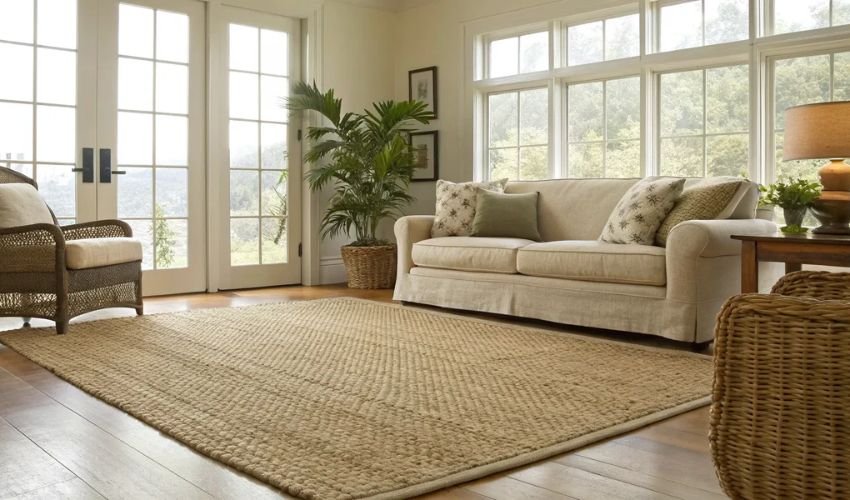
Villas: Use wall-to-wall sisal in formal reception areas and home offices. Layered rugs work well in family lounges and master bedrooms.
Apartments: A large sisal area rug anchors an open-plan living and dining space. It defines zones without dividing the room visually.
Penthouses: Premium custom sisal with decorative binding in leather or cotton adds a luxury finish appropriate for high-end residences.
Majlis areas: Sisal makes a compelling base layer beneath traditional low-slung furniture. Its earthy texture complements rich textiles and dark wood without clashing.
Commercial spaces: Offices, hotel lobbies, and boutique retail environments increasingly use sisal for its durability, acoustic properties, and sophisticated aesthetic. For those considering premium sisal carpets in Dubai, commercial-grade options are available with enhanced stain protection and reinforced backing.
Common Interior Design Mistakes to Avoid
Wrong sizing is the most frequent error. A rug that’s too small for the room looks misplaced. As a guide, the front legs of all major furniture pieces should sit on the carpet.
Poor furniture placement undermines sisal’s impact. Floating furniture above the carpet without touching it removes any sense of grounded cohesion.
Ignoring room function leads to poor outcomes. Sisal is not ideal for bathrooms or wet-area laundry rooms moisture is its principal weakness.
Choosing unsuitable colors disrupts an otherwise well-planned interior. Test samples in situ under your room’s actual lighting before committing to a choice.
Maintenance Tips for Long-Lasting Beauty
Sisal requires straightforward but consistent care:
- Vacuum regularly at least twice per week in high-traffic areas, using a suction-only attachment (no beater bar)
- Address spills immediately blot liquids, do not rub, and use a dry cloth first
- Avoid excess moisture sisal is naturally moisture-sensitive; never steam clean
- Use furniture protectors felt pads under heavy legs prevent fiber compression
- Professional cleaning annually will restore the fiber structure and remove embedded dirt that vacuuming cannot reach
In the UAE’s humid coastal environments, ensure adequate air circulation beneath wall-to-wall sisal installations to prevent moisture retention.
Why Sisal Carpets Are a Smart Investment
The value proposition of sisal extends well beyond aesthetics. Its sustainability credentials are genuine. Sisal is one of the few flooring materials that is entirely plant-based, biodegradable, and produced without significant industrial waste.
Its durability means replacement cycles are measured in decades, not years. Over time, that significantly reduces the total cost of ownership compared to synthetic alternatives.
The timeless appeal of natural fiber means the carpet won’t date your interior. It will simply become part of it.
From a property perspective, well-chosen, high-quality flooring consistently supports property value. In Dubai’s competitive real estate market, a beautifully installed sisal carpet in a premium residence signals quality, taste, and longevity to prospective buyers and tenants alike.
Transform Your Space with Premium Sisal Carpets
Selecting the right sisal carpet is as much about understanding your space as it is about choosing a material. The weave, weight, pile height, and binding all affect how the carpet performs and how it looks at different times of day, in different light conditions, and alongside different furniture arrangements.
Working with a specialist supplier ensures you select a sisal that is precisely matched to your room’s dimensions, aesthetic, and functional requirements. From custom sizing to bespoke edging and professional installation, the right partner makes the difference between a carpet that simply covers a floor and one that completes a room. Whether you’re furnishing a new villa, refreshing a commercial office, or redesigning a UAE penthouse, professionally sourced sisal is an investment in lasting quality.
Conclusion
Sisal carpets occupy a rare position in interior design: they are simultaneously practical, beautiful, sustainable, and enduring. They work across room types, design styles, and property categories from modest apartments in Sharjah to luxury villas in Palm Jumeirah.
The key to success lies in informed selection: understanding the weave, choosing the right tone for your light conditions, sizing correctly, and maintaining the carpet consistently. When those elements align, sisal doesn’t just cover your floor it defines your space.
For homeowners and designers in the UAE seeking flooring that balances form, function, and environmental responsibility, sisal remains one of the most compelling choices available today.
Frequently Asked Questions
- Are sisal carpets suitable for the UAE climate?
Yes, sisal is well-suited to the UAE’s dry interior climate. It is naturally breathable and provides thermal insulation. In more humid coastal areas, ensure proper ventilation beneath wall-to-wall installations to prevent moisture retention. - Can sisal carpets be used in high-traffic areas?
Absolutely. Sisal is one of the most durable natural fiber carpets available. It performs exceptionally well on staircases, hallways, and commercial spaces where foot traffic is consistent and heavy. - How do I clean sisal carpets?
Regular vacuuming is the most important maintenance step. For spills, blot immediately with a dry cloth do not rub or wet the fiber excessively. Professional cleaning once a year is recommended for deep maintenance. - Is sisal suitable for bedrooms?
Yes, though most designers recommend using sisal as a large area rug rather than wall-to-wall bedroom carpet. This preserves comfort underfoot near the bed while adding natural texture and warmth to the space. - What is the difference between sisal and jute carpets?
Both are natural fiber carpets, but sisal is significantly harder and more durable than jute. Jute is softer underfoot and better suited to low-traffic areas, while sisal handles high-traffic zones with greater resilience over time.