



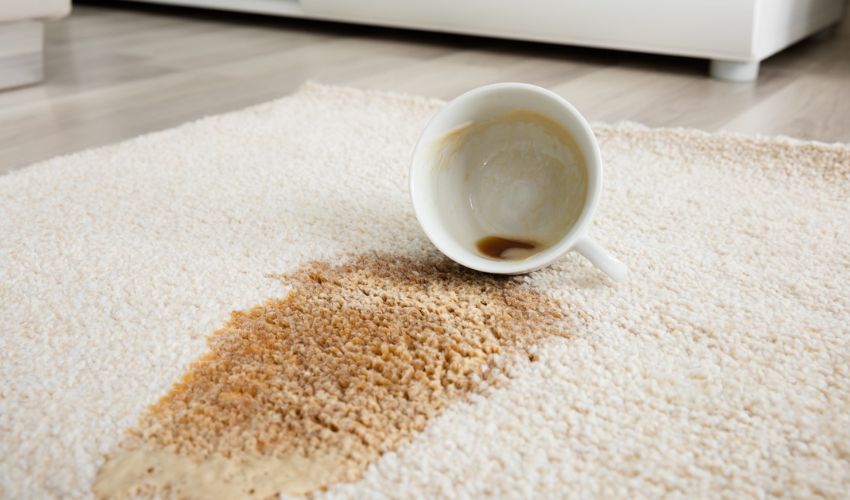
Few household accidents happen as often as a coffee spill. A nudged mug, a shaky hand first thing in the morning, or a guest setting their cup down a little too close to the edge of the table. And suddenly there’s a dark patch soaking into your carpet.
The frustrating part is that coffee doesn’t just sit on the surface. It seeps into carpet fibers and, if left untreated, can leave a stain that feels almost permanent. The tannins in coffee bond with fabric over time, which is why a spill you ignore for a few hours behaves very differently from one you tackle right away.
In this guide, you’ll learn exactly how to remove coffee stains from carpet whether it happened five minutes ago or five months ago, which homemade solutions actually work, and how to avoid the common mistakes that make stains worse instead of better.
What Is the Fastest Way to Remove a Coffee Stain From Carpet?
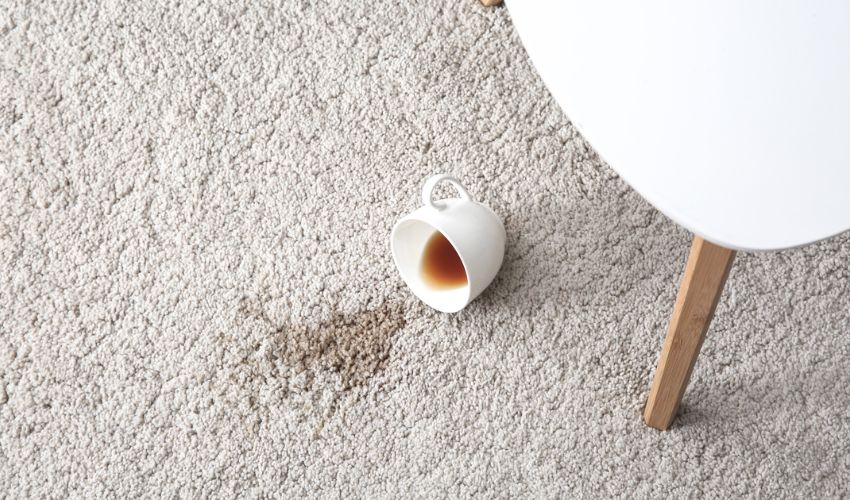
Blot the spill immediately with a clean white cloth, working from the outside in. Mix one tablespoon of dish soap with two cups of warm water, apply it to the stain, and blot again. Rinse with cold water and blot dry. Acting within the first few minutes gives you the best results.
Why Coffee Stains Are Difficult to Remove
Coffee is more stubborn than most beverage spills because of tannins. The same natural compounds found in tea and red wine. Tannins are pigment-rich and bond chemically with fabric fibers, which means they don’t just sit on top of the carpet; they actually attach themselves to it.
Carpet fibers make this worse. Whether your flooring is wool, nylon, or polyester, fibers are designed to absorb liquid (that’s part of what makes carpet comfortable underfoot), and that absorption pulls the coffee, and its tannins, deep below the surface.
This is also why timing matters so much. A fresh coffee stain on carpet is still mostly liquid, sitting near the surface and easy to lift out. An old coffee stain on carpet has had time to dry, oxidize, and bond more permanently with the fibers, which is why it often takes more effort and repeated treatment to fully remove.
If you’ve recently invested in new flooring, this is exactly the kind of issue worth thinking about in advance. Many homeowners purchasing carpets from a Best carpet Dubai shop often ask how to protect their flooring from accidental coffee spills, since stain resistance and ease of cleaning can vary significantly between carpet materials.
What To Do Immediately After Spilling Coffee
Your first 60 seconds matter more than any cleaning product you’ll use afterward. Here’s the right sequence:
- Blot, don’t wipe. Press a clean white cloth or paper towel firmly onto the spill and lift straight up. Repeat with a fresh section of cloth until no more coffee transfers.
- Avoid rubbing. Rubbing pushes the liquid sideways and deeper into the fibers, spreading the stain instead of lifting it.
- Use cold or lukewarm water. Hot water can set certain stains, especially if milk or cream is involved, so stick to cool temperatures during initial treatment.
- Test any cleaning solution first. Dab a small amount on a hidden corner of carpet and wait a few minutes to check for discoloration before treating the visible stain.
Mistakes to Avoid
- Don’t scrub the stain with a brush or sponge.
- Don’t pour cleaning solution directly onto the carpet, apply it to a cloth first.
- Don’t use bleach or undiluted ammonia on colored carpet.
- Don’t walk away and let the coffee dry before treating it.
How to Remove a Fresh Coffee Stain From Carpet
A fresh coffee stain on carpet responds well to simple, gentle treatments. Here are three reliable methods.
Dish Soap Method
Ingredients: 1 tablespoon dish soap, 2 cups warm water, clean cloth
Steps: Mix the soap and water in a bowl. Dip a cloth into the solution and blot the stain, working from the outer edge inward. Rinse by blotting with a cloth dampened in plain water, then press a dry towel over the area to absorb moisture.
Expected results: Most fresh stains lift within one or two treatments, since dish soap breaks down the oils in coffee that help tannins stick to fibers.
White Vinegar Solution
Ingredients: 1 tablespoon white vinegar, 1 tablespoon dish soap, 2 cups warm water
Steps: Combine all ingredients and apply with a cloth, blotting gently. Let it sit for five minutes, then blot with a clean, damp cloth to rinse.
Expected results: Vinegar’s mild acidity helps break down tannins, often fading the stain noticeably after a single application.
Baking Soda Treatment
Ingredients: 2 tablespoons baking soda, 1 cup warm water
Steps: Stir into a paste, apply over the damp stain, and let dry completely (usually a few hours). Vacuum up the residue once dry.
Expected results: Works best on stains that are still slightly damp, as baking soda absorbs both moisture and odor while loosening the stain.
How to Remove Old Coffee Stains From Carpet
An old coffee stain on carpet is harder to treat because the tannins have had time to fully set into the fibers, and the spot may have darkened or hardened slightly.
Rehydration is the key first step. Dampen the stain with warm water and let it sit for a few minutes before applying any cleaning solution. This softens the bond between the stain and the fiber.
Deep-cleaning methods, such as a vinegar-and-dish-soap mix or a hydrogen peroxide solution, tend to work better on old stains than soap alone, since they target the oxidized tannins more directly.
Multiple treatments are often necessary. Rather than soaking the area once, apply your chosen solution, blot, let dry, and repeat the process two or three times if the stain is still visible. Patience matters more than strength here.
Best Homemade Solutions for Coffee Stain Removal
Vinegar and water mixture: Combine equal parts white vinegar and warm water. Best for fresh to moderately old stains and safe for most carpet types when tested first.
Baking soda paste: Mix baking soda with just enough water to form a paste. Best used on damp stains or to deodorize after a spill involving milk.
Hydrogen peroxide method: Apply a small amount of 3% hydrogen peroxide directly to the stain with a cloth, let sit for a few minutes, then blot. Best reserved for light-colored carpets, since peroxide can lighten dyed fibers, and always patch-test first.
Safety precautions: Never mix vinegar with hydrogen peroxide or bleach, work in a ventilated room, and keep these solutions away from children and pets until the carpet is fully dry.
People who buy carpets Dubai online often compare stain resistance and maintenance requirements before making a purchase, since some materials hold up to these treatments far better than others.
Coffee Stains With Milk or Cream
A latte or cappuccino spill brings extra challenges. The milk fat can leave a greasy residue even after the coffee color lifts, and if it’s not addressed, it can develop a sour odor over the following days.
Treat milk-based stains with the dish soap method first to break down the fat, then follow with a baking soda application to absorb lingering odor. For carpets where the smell persists, a deeper clean with an enzyme-based cleaner or professional steam cleaning may be needed to fully eliminate it. If stubborn odors keep returning despite repeated cleaning, it may be more cost-effective to replace the affected carpet altogether. Many businesses in the UAE choose to buy office carpets Dubai from trusted suppliers who offer stain-resistant and easy-to-maintain options suited for high-traffic commercial spaces.
Cleaning Coffee Stains From Different Carpet Types
Wool carpet: Sensitive to high pH and heat. Stick to mild dish soap solutions and avoid hot water or harsh scrubbing, which can damage the fibers.
Nylon carpet: Durable and stain-resistant by design, nylon generally tolerates vinegar and baking soda treatments well.
Polyester carpet: Holds dye less tightly than nylon, so always patch-test cleaning solutions to avoid color fading.
Commercial carpet: Often treated with stain-resistant coatings; gentle blotting and manufacturer-approved cleaners help preserve that protective layer, which matters in offices and hotels where appearance and durability both count.
Common Coffee Stain Removal Mistakes
- Scrubbing aggressively spreads the stain and can damage carpet fibers.
- Using excessive water can soak the carpet pad underneath, leading to mold or odor issues.
- Applying harsh chemicals like bleach can discolor carpet permanently.
- Waiting too long allows tannins to bond fully, turning an easy fix into a stubborn problem.
When Professional Carpet Cleaning Is Necessary
Some stains call for more than a DIY fix. If a stain has been left untreated for weeks and feels truly set, if the spill covered a large area, or if you’re dealing with delicate materials like wool or silk-blend carpet, professional carpet cleaning is usually the safer route.
Professional services use hot water extraction and steam cleaning equipment that reaches deeper into the carpet pad than home methods can, along with commercial-grade stain treatments suited to specific fiber types. For hotels and offices managing frequent spills across large carpeted areas, scheduled professional cleaning also helps maintain a consistently presentable space.
How to Prevent Coffee Stains in the Future
- Apply a protective treatment, such as a fiber protector spray, to new or recently cleaned carpet.
- Vacuum regularly to keep fibers from trapping dust that can make stains harder to lift.
- Build a quick spill-response habit: keep a clean cloth and a basic cleaning solution within reach of high-traffic coffee areas.
- Choose stain-resistant carpet when replacing flooring, particularly in kitchens, breakrooms, or lobby areas where spills are common.
Frequently Asked Questions
Can coffee stains become permanent?
Yes, if left untreated for an extended period. The tannins in coffee oxidize and bond with carpet fibers over time, making the stain progressively harder to remove.
Does baking soda remove coffee stains?
Baking soda helps loosen stains and absorb odor, especially when combined with a damp cloth treatment, but it works best alongside dish soap or vinegar rather than alone.
Is vinegar safe for carpets?
White vinegar is generally safe when diluted with water, but it’s always wise to patch-test on a hidden area first, particularly on wool or dyed carpet.
Can old coffee stains be removed?
Yes, though they typically require rehydration and repeated treatment. Multiple gentle applications usually work better than one aggressive attempt.
What do professional cleaners use?
Professionals often rely on hot water extraction, steam cleaning, and specialized enzyme or tannin-removing solutions formulated for specific carpet fibers.
How long should stain treatment sit?
Most homemade solutions work best left on the stain for three to five minutes before blotting, though baking soda paste can sit until fully dry.
Will coffee stains smell if not cleaned properly?
Plain coffee rarely causes lasting odor, but stains with milk or cream can develop a sour smell if not treated and dried promptly.
Can I use a carpet cleaning machine for coffee stains?
Yes, a carpet cleaning machine with a mild detergent solution works well for larger spills or as a deeper follow-up after initial blotting and spot treatment.
Conclusion
Coffee stains are common, but they don’t have to be permanent. The key is speed: blotting immediately, avoiding rubbing, and choosing the right treatment, dish soap, vinegar, or baking soda, based on how fresh the spill is.
For old or stubborn stains, rehydration and repeated gentle treatment make all the difference, and for large or delicate-carpet situations, professional carpet cleaning is worth the investment.
The next time a cup tips over, you’ll know exactly what to do. And with a few preventive habits in place, you can keep your carpet looking fresh for years to come.