



Walk into any villa in Palm Jumeirah, Dubai and Emirates hills or a boutique hotel lobby in Downtown Dubai these days, and there’s a good chance you’ll spot a sisal carpet underfoot. This woven, earthy-toned flooring has quietly become one of the most requested natural fiber options among homeowners and interior designers across the UAE.
But sisal isn’t right for everyone. It has real strengths and real limitations, and knowing both before you buy will save your money and frustration later.
In this guide by Carpetdubai.com, we’ll break down exactly what sisal carpets are, where they shine, where they fall short, and how they compare to wool and synthetic alternatives. We’ll also cover maintenance, buying tips, and the mistakes most first-time buyers make.
If you’ve been searching for sisal carpets Dubai options and want the full picture before you commit, this article covers everything you need.
What Are Sisal Carpets?
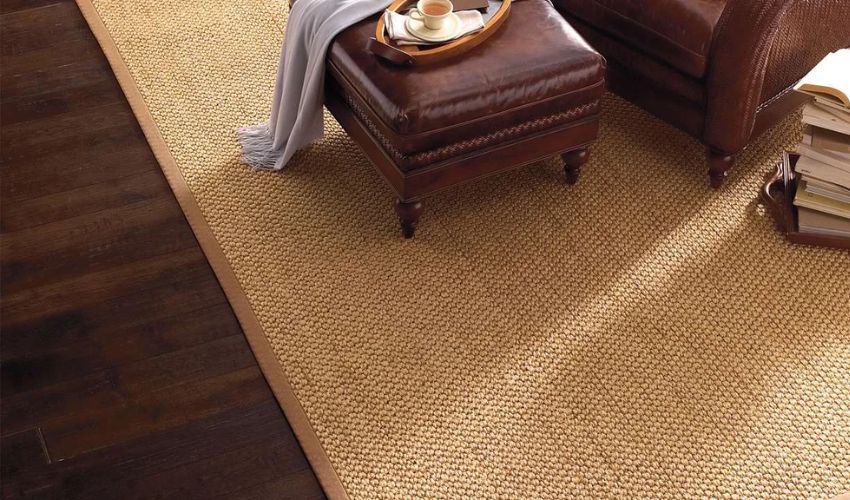
Sisal comes from the leaves of the Agave sisalana plant, a hardy succulent grown mainly in East Africa, Brazil, and parts of Asia. Workers extract long fibers from the leaves, dry them under the sun, then spin them into strong, coarse yarn.
That yarn gets woven into carpets, rugs, and wall coverings using techniques passed down for generations. The result is a flooring material with almost no synthetic input, just plant fiber turned into something functional and good-looking.
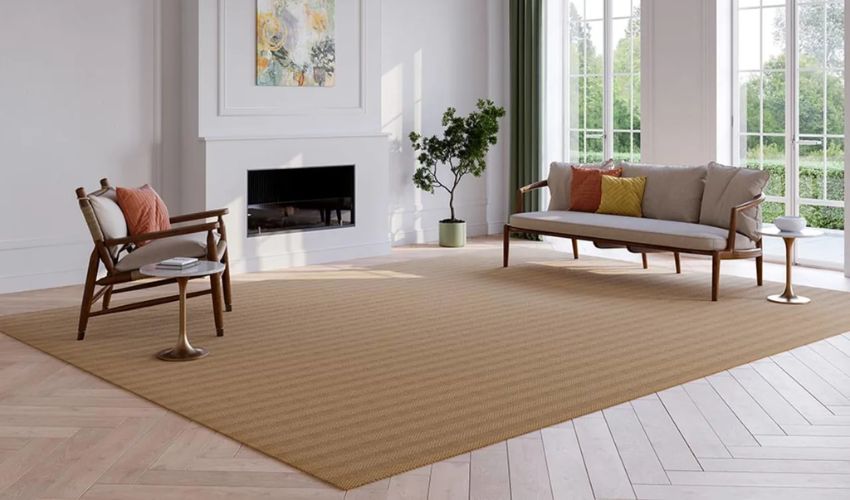
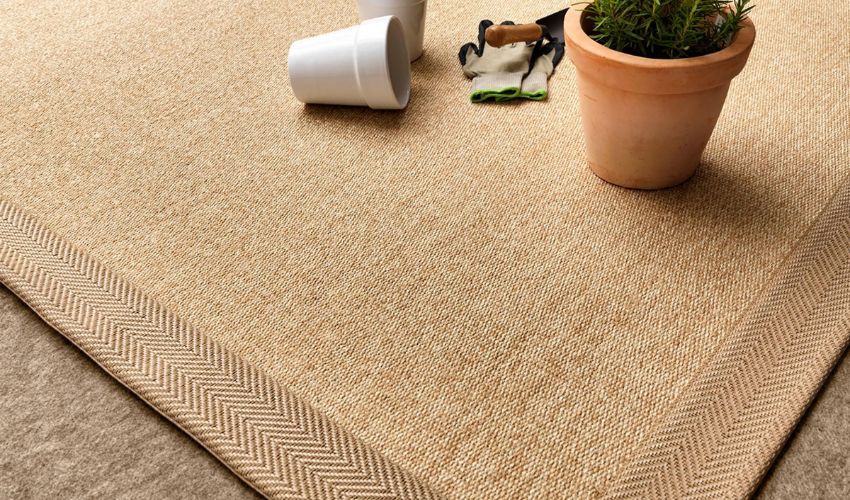
Sisal has a distinctive woven texture. You can usually see the basketweave, herringbone or boucle pattern on the surface. Most sisal carpets come in natural tones like beige, wheat, and soft grey, though some manufacturers now offer dyed versions in deeper colors.
You’ll typically find sisal used as wall-to-wall carpeting, area rugs, stair runners, and even as a base layer under other rugs. Its rustic, organic look pairs especially well with modern minimalist interiors and coastal or Scandinavian-inspired design themes, both of which are trending across Dubai apartments and villas right now.
Advantages of Sisal Carpets
Natural and Eco-Friendly
Sisal is biodegradable and renewable. The plant grows quickly and needs very little water, which makes it one of the more sustainable flooring materials on the market. If reducing your environmental footprint matters to you, sisal checks that box.
Genuinely Durable
Sisal fiber is tough. It’s actually used to make rope and twine, so it can handle daily foot traffic without falling apart. A well-made sisal carpet in a busy hallway or living room can hold up for years.
Long Lifespan
With proper care, sisal carpets often outlast many synthetic options. A family in Arabian Ranches who installed sisal in their family room five years ago will likely tell you it still looks presentable, provided it’s been vacuumed and rotated regularly.
Attractive, Natural Appearance
The woven texture gives rooms an instant textural upgrade. It reads as warm and organic rather than flat and mass-produced, which is exactly why interior designers keep specifying it for feature areas.
Improves Interior Design Flexibility
Because sisal comes in neutral tones, it works as a backdrop for almost any color scheme. Designers often use it to ground a room before layering in bolder furniture, art, or accent rugs.
Suitable for Busy Areas
Hallways, staircases, and open-plan living spaces benefit from sisal’s resistance to wear. It’s a practical choice for households with regular foot traffic, including guest-heavy homes and small offices.
Low VOC
Sisal doesn’t off-gas the way many synthetic carpets can. That matters for indoor air quality, particularly in newer builds where ventilation systems are still settling in.
Naturally Anti-Static
Sisal doesn’t build up static electricity the way some synthetic fibers do. That’s a small but genuinely useful benefit in dry, air-conditioned interiors, which describes most homes in the UAE for much of the year.
Works Well in Warm Climates
Sisal has a breathable structure. It doesn’t trap heat the way thicker synthetic piles can, which makes it a comfortable option even during Dubai’s warmer months when air conditioning is running constantly.
Timeless Style
Trends come and go, but woven natural fiber flooring has stayed relevant for decades. It’s not the kind of choice you’ll regret in five years when design tastes shift.
Disadvantages of Sisal Carpets
Rough Texture
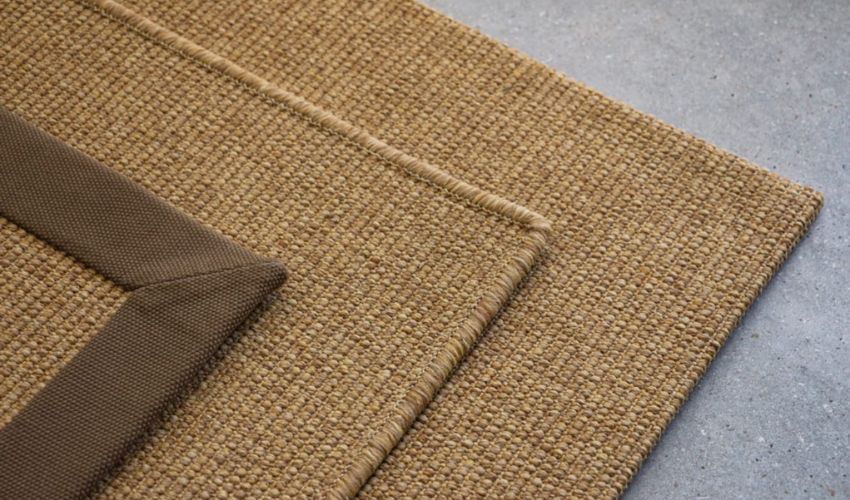
Sisal isn’t soft. It has a coarse, almost scratchy feel underfoot, which is one of the first things new buyers notice. If you like walking barefoot on plush carpet, sisal will surprise you.
Not Soft Underfoot
This is worth repeating because it’s the number one complaint. Bedrooms where people want a cozy, cushioned feel are usually not the best fit for sisal.
Sensitive to Moisture
Sisal absorbs water quickly and can stain, warp, or develop mildew if it stays wet. Humidity and spills are its biggest enemies.
Difficult Stain Removal
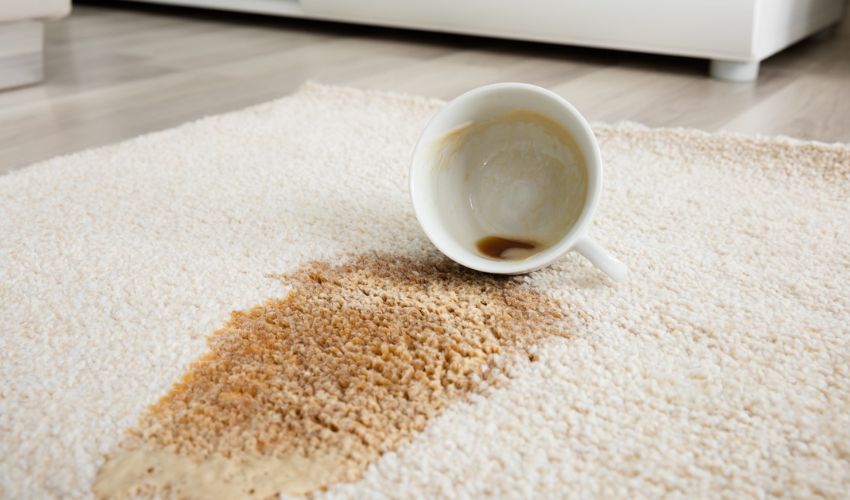
Because the fibers soak up liquid fast, spills need immediate attention. Wine, coffee, and juice can leave marks that are tough to fully remove once they set in.
Not Suitable for Bathrooms
Given the moisture sensitivity, bathrooms and areas near pools are simply the wrong environment for sisal. Even occasional splashing can cause lasting damage.
Can Fade Under Direct Sunlight
Dubai’s intense sun exposure means sisal placed near large, unshaded windows can lighten or discolor over time. Curtains, blinds, or UV-filtering window film help slow this down.
Limited Colors
Compared to synthetic carpets, sisal’s color range is narrower. If you want a bold red or deep navy floor, you may need to look elsewhere or accept a dyed option with a shorter lifespan.
Higher Price Than Some Synthetic Carpets
Quality sisal typically costs more upfront than mid-range synthetic alternatives. The investment usually pays off in durability, but it’s worth budgeting for.
Regular Maintenance Required
Sisal needs consistent vacuuming and occasional professional cleaning to stay in good shape. It’s not an install-and-forget flooring choice.
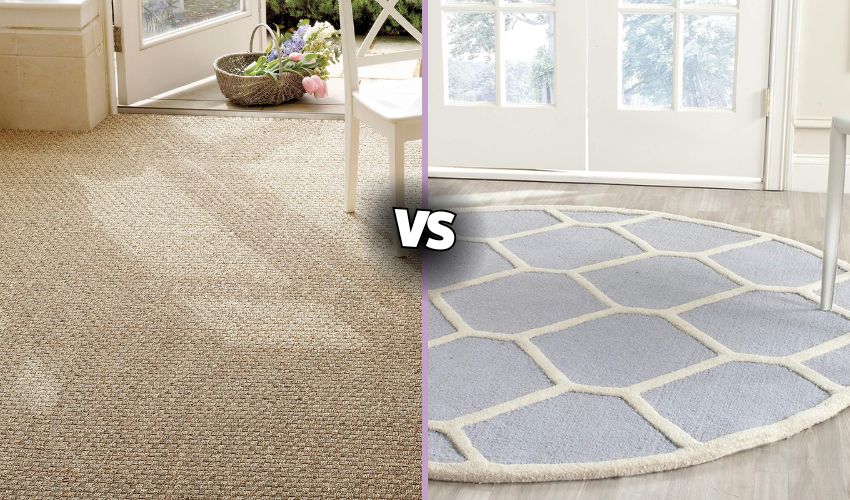
Sisal Carpet vs Wool Carpet
| Feature | Sisal Carpet | Wool Carpet |
| Price | Mid to high | High |
| Comfort | Coarse, firm | Soft, cushioned |
| Durability | Very durable | Durable |
| Maintenance | Moderate to high | Moderate |
| Moisture Resistance | Low | Moderate |
| Eco-Friendliness | Very high | High |
| Appearance | Rustic, woven texture | Plush, uniform |
| Lifespan | 10–15 years with care | 15–20 years with care |
| Best Use | Living rooms, hallways, offices | Bedrooms, formal living rooms |
Who should choose sisal: Homeowners who want a natural, textured look for high-traffic or design-forward areas and don’t mind a firmer feel underfoot.
Who should choose wool: Anyone prioritizing softness and comfort, especially in bedrooms or spaces where people sit or lie on the floor often.
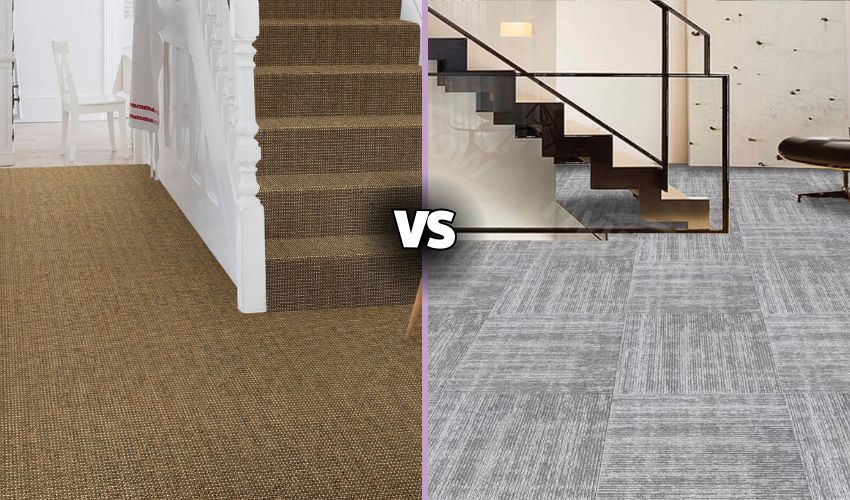
Sisal Carpet vs Synthetic Carpet
| Feature | Sisal Carpet | Synthetic Carpet |
| Cost | Higher upfront | Lower upfront |
| Appearance | Natural, textured | Uniform, wide style range |
| Cleaning | Requires care, moisture-sensitive | Easier, often stain-resistant |
| Durability | High for foot traffic | Varies by quality |
| Comfort | Firm | Softer, cushioned options available |
| Sustainability | Renewable, biodegradable | Petroleum-based |
| Pets | Can snag with claws | Generally more pet-friendly |
| Children | Rougher for crawling | Softer, safer for play areas |
| Longevity | Long-lasting if maintained | Shorter average lifespan |
Synthetic carpets often win on comfort and easy cleaning, which matters for families with young kids or pets. Sisal wins on sustainability, texture, and long-term visual appeal, particularly in adult-focused living spaces.
Where Do Sisal Carpets Work Best?
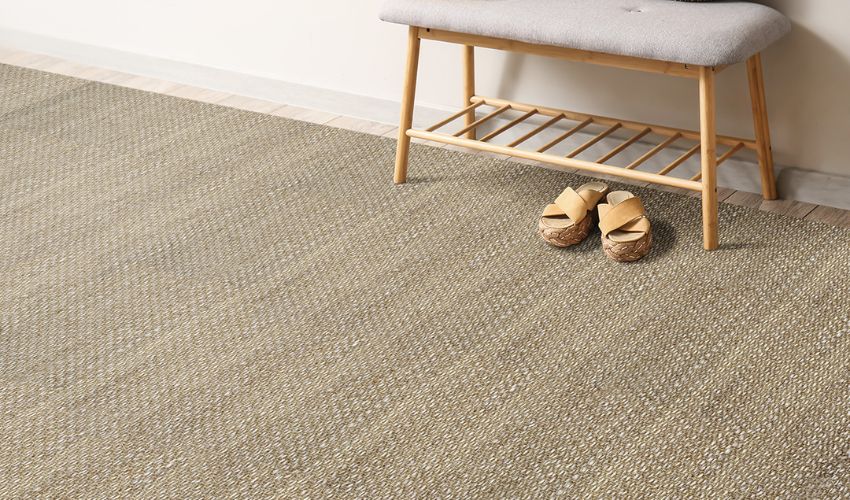
Sisal performs well in:
- Living rooms and lounges
- Hallways and entryways
- Staircases, where its grip and texture add safety
- Home offices
- Hotel lobbies and corridors
- Retail stores looking for a natural, upscale feel
It’s not the right fit for bathrooms, kitchens, laundry rooms, or any space with regular water exposure. Basements or ground-floor rooms prone to dampness should also be approached with caution.
How to Maintain Sisal Carpets
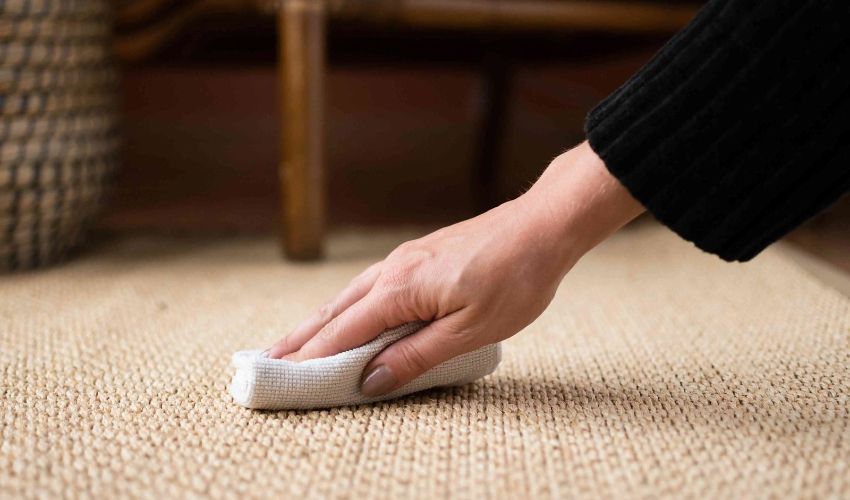
- Vacuum weekly: using a suction-only setting, since beater bars can fray the fibers.
- Blot spills immediately: with a dry cloth rather than rubbing, which pushes liquid deeper.
- Prevent moisture exposure: by using mats near entrances and avoiding wet mopping nearby.
- Use furniture pads: under heavy pieces to prevent permanent indentation.
- Schedule professional cleaning: every 12 to 18 months for deeper maintenance.
- Rotate rugs periodically: if using sisal as an area rug, to even out wear.
- Limit direct sun exposure: with curtains or UV film to reduce fading.
Buying Guide
When you’re ready to buy sisal carpets Dubai retailers offer, keep these factors in mind:
- Weave quality: Tighter, more even weaves tend to last longer and resist wear better.
- Backing options: Latex or natural rubber backing adds stability, especially for wall-to-wall installations.
- Thickness: Thicker weaves feel slightly more comfortable and often wear better in high-traffic zones.
- Color selection: Stick to natural tones for longevity, or accept that dyed versions may fade faster.
- Room suitability: Match the carpet to a dry, moderate-traffic space rather than moisture-prone rooms.
- Budget: Set a realistic range, since quality sisal costs more but saves money over time.
- Installation: Hire experienced installers familiar with natural fiber carpets, since improper stretching can cause issues.
- Warranty: Ask about coverage for wear and manufacturing defects.
- UAE climate considerations: Choose carpets rated for humidity resistance where possible, and plan for occasional dehumidifier use during humid months.
Are Sisal Carpets Worth Buying in Dubai?
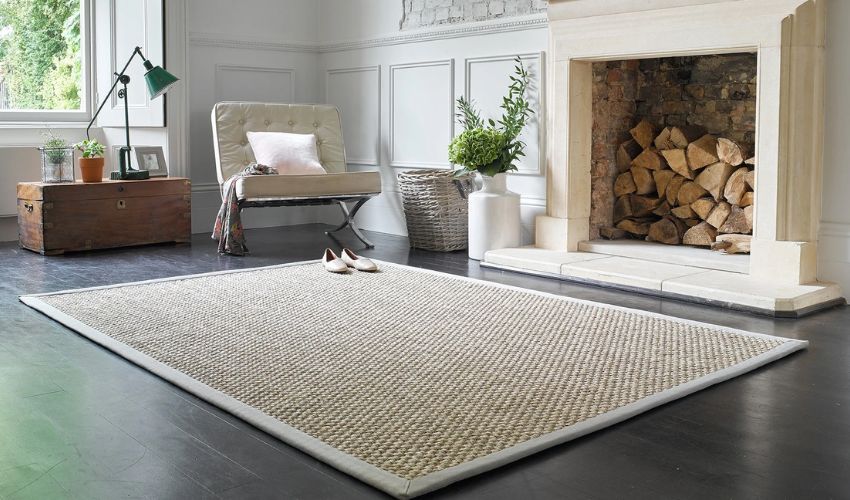
For the right space, yes. Dubai’s dry indoor climate, driven by near-constant air conditioning, actually suits sisal’s breathable structure well. The bigger concern is Dubai’s brief but intense humid season, plus strong sunlight through large windows common in local architecture.
In villas, sisal works beautifully in formal living areas, studies, and hallways. In apartments, it’s a smart option for compact living rooms where you want texture without bulk. For commercial spaces like offices, hotels, and retail stores, sisal adds a premium, natural feel that resonates with guests and clients alike. It’s one of the reasons sisal has become a popular choice among suppliers of office carpets in Dubai looking to offer clients a more upscale, natural aesthetic.
The long-term value is strong if you match the material to the right room and commit to basic upkeep. It’s not a carpet you install and ignore, but it rewards the effort with a look that ages gracefully.
Common Mistakes Buyers Make
- Installing sisal in bathrooms or kitchens: moisture will damage it quickly.
- Skipping the padding underneath: this shortens lifespan and reduces comfort.
- Choosing sisal for a nursery or playroom: the rough texture isn’t ideal for babies and toddlers.
- Ignoring sunlight exposure: carpets near unshaded windows fade faster than expected.
- Not budgeting for professional cleaning: DIY cleaning alone isn’t enough over time.
- Buying based on price alone: cheaper weaves often unravel or wear out sooner.
- Forgetting furniture pads: heavy furniture can leave lasting dents in the fibers.
- Assuming all sisal is the same: weave type, origin, and backing all affect quality and price.
Conclusion
Sisal carpets offer a rare combination of natural beauty, durability, and sustainability, but they’re not a one-size-fits-all flooring solution. They excel in living rooms, hallways, and commercial spaces, while moisture-prone rooms and areas needing extra softness call for other materials.
If you weigh the pros and cons against your specific space and lifestyle, sisal can be a smart, long-lasting investment for your home or business.
Ready to explore quality carpets Dubai has to offer? Take the time to compare weave types, backing options, and room suitability before you buy, and you’ll end up with flooring that looks great and holds up for years to come.
Frequently Asked Questions
Are sisal carpets good for homes?
Yes, especially in living rooms, hallways, and staircases where durability and natural style matter more than plush softness.
Are sisal carpets waterproof?
No. Sisal absorbs moisture and can stain or warp if exposed to water regularly, so it should stay away from wet areas.
Are sisal carpets suitable for pets?
They can work for calm pets, but sharp claws may snag the fibers over time. Homes with very active pets may find synthetic options more practical.
How long do sisal carpets last?
With proper care, most sisal carpets last between 10 and 15 years, and sometimes longer in lower-traffic areas.
Are sisal carpets expensive?
They typically cost more than budget synthetic carpets but less than premium wool. The durability often justifies the price over time.
Can sisal carpets be cleaned easily?
Routine vacuuming is simple, but stain removal takes more effort since the fibers absorb liquid quickly. Immediate blotting helps a lot.
Do sisal carpets attract dust?
Like most textured flooring, they can trap dust in the weave, which is why regular vacuuming is important.
Can sisal carpets be installed on stairs?
Yes, and many designers specifically recommend it there. The texture provides good grip, adding a safety benefit.
Are sisal carpets suitable for Dubai’s weather?
They work well indoors with air conditioning but need protection from humidity and direct sun exposure near windows.
What rooms are best for sisal carpets?
Living rooms, hallways, staircases, home offices, and low-moisture commercial spaces are the strongest fits.